Pitra Paksha "Shradh”
Honouring Ancestors & The Divine Bond
Significance of Pitra Paksha
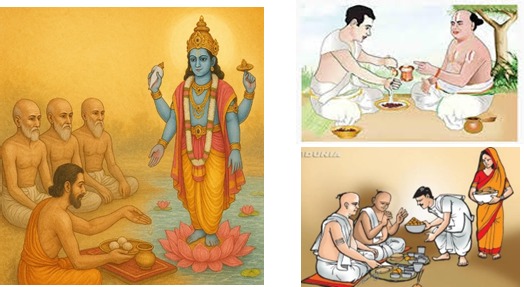
Pitru Paksha is a sacred fortnight in the month of Bhadrapada on the Hindu calendar significant for honouring ancestors through rituals, with the belief that it brings peace to departed souls and blessings to the living. Its importance lies in fulfilling the perceived debt to ancestors (Pitru Rin), alleviating ancestral curses (Pitru Dosha), and preserving family bonds and traditions.
- Honouring ancestors: A time to remember and express gratitude.
- Alleviating Pitru Dosha: Performing rituals to resolve spiritual debts.
- Soul liberation: Helping deceased souls attain Moksha.
The Legend of "Shradh Besha" (Puri)
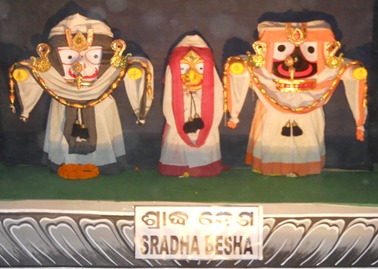
According to Jagannath mythology, King Indradyumna requested an extraordinary boon from Lord Jagannath: that his dynasty should end with him, and that the Lord Himself would perform the pinda and Shradh rites for the King and Queen Gundicha every year. Lord Jagannath granted this rare promise, making the Shradh Besha at Puri uniquely sacred—on this occasion, a devoted king is eternally honoured as a parent of the Lord. These rites are observed during the Deba Dipabali festival on Krishna Paksha Chaturdashi in the month of Margashira, when Jagannath, Balabhadra, and Subhadra appear in the Shradh Besha, dressed in white attire with distinct borders—yellow, black, and red respectively—and adorned with gold jewellery. The festival draws immense crowds to witness this divine loka-lila, and the stretch between Mausimaa Temple and Gundicha Temple, known as Sharadha Bali, stands as a reminder of the deep love between King Indradyumna and Lord Jagannath.
Shradh at Shri Thakur Rajgopalji Mandir
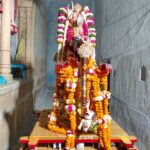
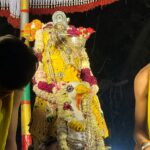
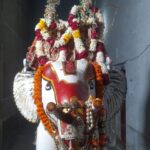
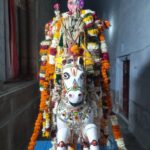
The unique tradition of performing Pitra Paksha "Shradh by Lord Rajgopalji and associated beliefs about fertility at the Shri Thakur Rajgopalji Maharaj Temple in Madanpur, Firozabad (Uttar Pradesh), are centred around a specific devotee, Lala Kuwar Lal Ji Mathur. It is a specific local custom that highlights a unique divine relationship.
The Legend and Tradition:The tradition at the temple holds that the deity, Lord Rajgopalji Maharaj, performs the Shradh (In Hinduism, Shradh rituals are typically performed by descendants to honour their departed ancestors) for Lala Kuwar Lal Ji Mathur and his wife annually. The key elements of this unique legend are:
Devotee as a Parental Figure:Lala Kuwar Lal Ji Mathur was a great devotee of Krishna and constructed the temple in 1871. Being childless, he dreamt Gopalji calling Himself his son and there after considered Lord Rajgopalji as his son.
The Deity's Filial Duty:Mirroring the sentiment found in some interpretations of the Puri Jagannath legend (regarding King Indradyumna and Queen Gundicha), Rajgopalji Maharaj perform the Shradh ritual for Lala Kuwar Lal, His "parental figure" devotee, fulfilling the duties of a son.
Fertility Beliefs: This tradition has led to the belief that the temple has special powers regarding fertility. Childless couples visit the temple seeking blessings to conceive, based on the deeply held faith in the deity's relationship with his devotee. These beliefs are part of a local, oral tradition and are founded on faith, not scientific evidence.
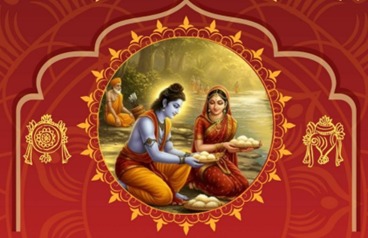
As the Shradh rituals viz, offering food, water, and clothes to brahmins, tarpan and Pind Daan Vidhi all these were observed by the Lord Himself on the Jagmohan of the temple on Pitra Amavasya. These were critically and religiously performed by Lord and observed by local people which every year revives the deep emotional association of Lala Kuwar Lalji and his wife with Lord and reciprocal affection of the Lord towards him. This inspires all the devotees towards the Ananya bhakti.
Based on the deeply held faith in the deity's relationship with his devotee, there is a firm local belief that childless couples can seek blessing of fertility if they pray to Rajgopalji in the temple.
Rituals of Pitra Shradh