History & Architecture
The Divine Chronicle of Shri Thakur Rajgopal Ji Maharaj Mandir
Temple History
Thakur Rajgopalji Maharaj Virajman Mandir, is dedicated to Rajgopalji Maharaj (a form of Vishnu). Present day Madanpur Mathur Clan starts with Sri Lala Kanji Mal Mathur who was the great seigneury of that time and have a lordship of present-day tehsil Shikohabad and 22 nearby villages (including Rapdi, Madanpur, Bateshwar etc.) He resides in the historic village of Rapdi which is believed to be ruled by Raja Raisen the uncle of Lord Shri Krishna during Mahabharata period. Another vicinal historical village is Bateshwar which was ruled by Lord Shri Krishna's father Vasudev. All these adjoining villages have their memories connected with Lord Shri Krishna in one or the other way. But due to fatal invasion of Rapdi by Mohmmad Gori, Mathur clan then moved from Rapdi to Madanpur and started residing there ever since.
Generations after, Sri Lala Kuwar Lal Mathur who belongs to this lineage was also deeply tied to the Sri Vaishnava tradition and for the revival of the sect in North India during the 19th century eventually sought to establish a lasting religious legacy in Madanpur. Having no children, he experienced a dream in which Thakur Rajgopalji Maharaj (a form of Lord Krishna/Vishnu) declared that the Lord himself was his son.This vision inspired him to dedicate his life and resources in building a temple as a home for this divine "heir." To legitimize and guide his spiritual mission, Sri Kuwar Lalji built Shri Thakur Rajgopalji Maharaj Mandir in Madanpur with the patronage of Sri Rangadeshik Swamiji (who was the primary architect and spiritual force behind the famous Sri Rangji Mandir in Vrindavan) and Sevas of Madanpur rurals. Swamiji provided the necessary spiritual sanction and guidance for the Madanpur temple, ensuring it adhered to the strict ritualistic standards of the Sri Vaishnava tradition.
To ensure the temple remained self-sustaining "for generations," he endowed it with extensive agricultural lands in Madanpur, Sherkot, and other surrounding villages. This endowment was designed to fund the daily and special needs of temple during routine and festivals days. Since the inception, the temple is associated with Shri Rangji Mandir, Vrindavan as such all the festivals and rituals performed in the temple follow those of its parent temple. The specific rituals and priestly traditions are carried with south Indian tradition under the guidance and immense grace of Swami Shri Govardhan Rangacharyaji Maharaj who is instrumental in all the activities of the temple at present.
The temple remains a significant site especially for the Mathur community and followers of the Sri Vaishnava sect, celebrated as a "living" legacy where the Lord is served as the son of the founder. As such Thakur Rajgopalji Maharaj temple is believed to have special powers regarding fertility and offer blessings for childless couples seeking to conceive. It is important to remember that these beliefs are based on faith and tradition, not scientific evidence.
Temple Architecture
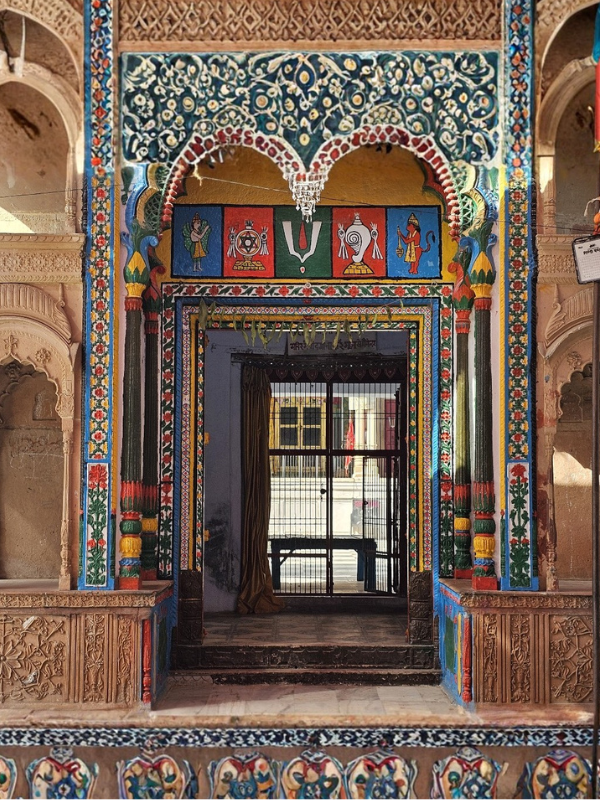
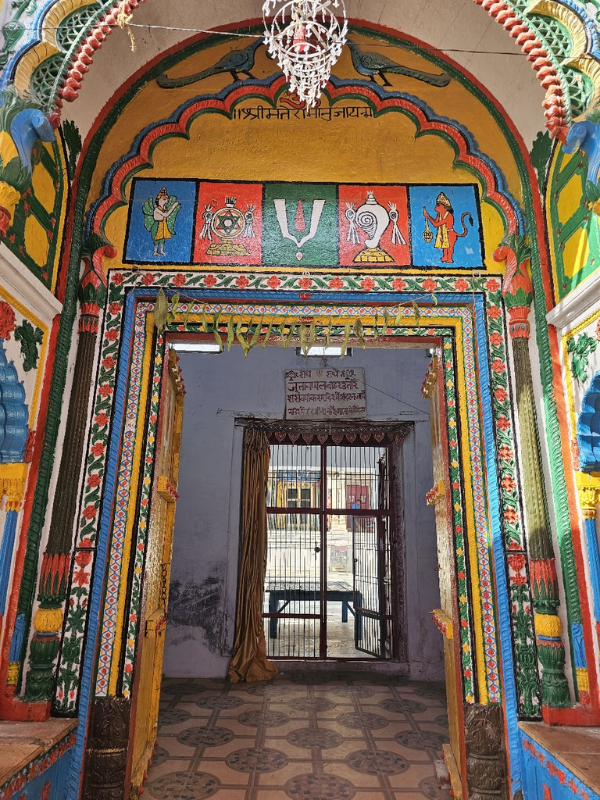
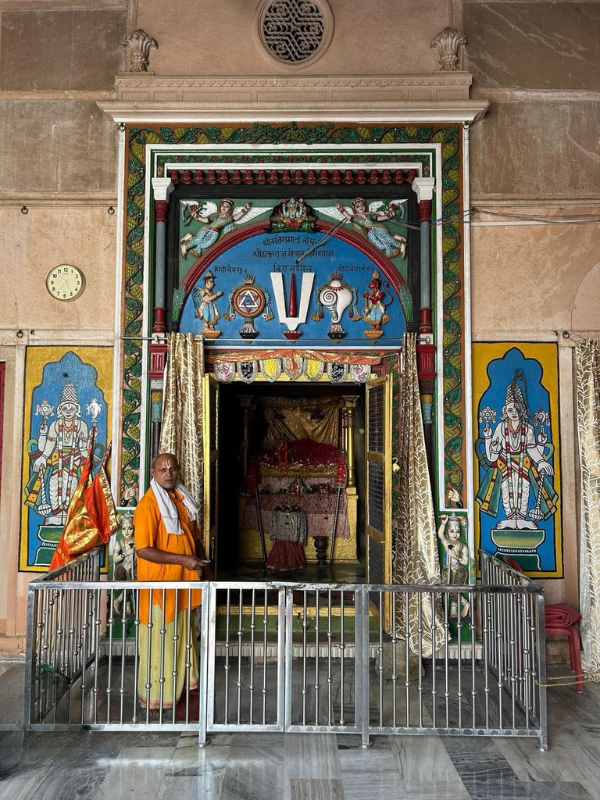
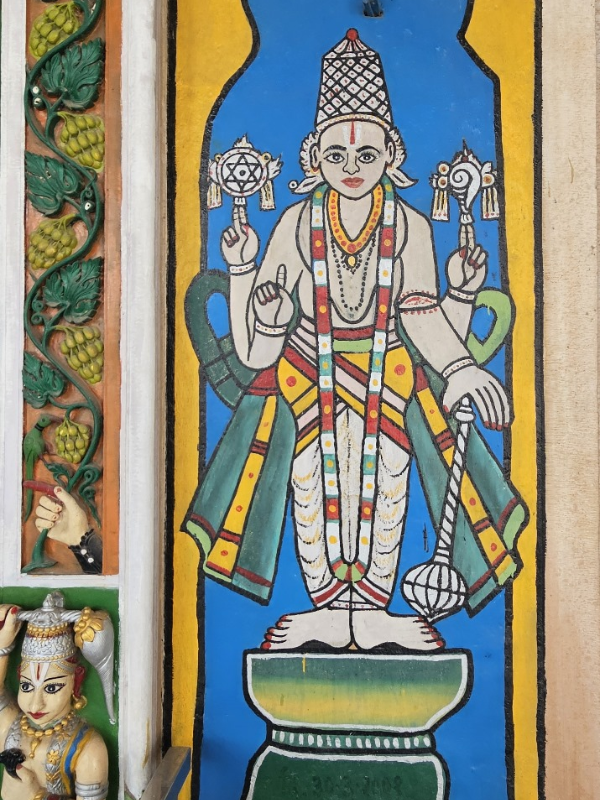
The temple was built traditionally in Madras style, the work was commenced in 1869 and was completed in 1871. The structure of the Mandir is based on the parent temple plan of Sri Rangji temple of Vrindavan, which is structurally build on south Indian pattern. However, changes in the architecture were done keeping in mind the local craftsmanship as such it is a rare and exquisite admixture of south and north Indian temple architecture.
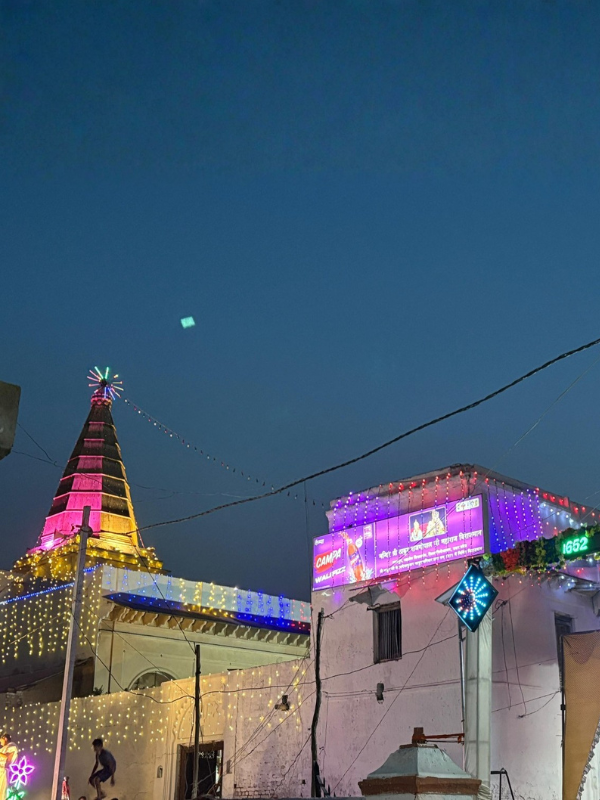
The outer walls of main temple measure about 100 feet in length and 103.7 feet in breadth and enclose a huge cookhouse (Rasoi), small garden, store rooms and the residential rooms for priests and employees in addition to the actual temple-court. The principal entrance of the temple is surmounted by a lofty gate-tower and pavilion covered with a profusion of coarse sculpture in the Mathura style graceful outlines the elegance of its reticulated tracery.This grand pavilion, hold a huge bell weighing 2 Quintal. It is believed that no natural calamity takes place in the range where the sound of this bell is heard.
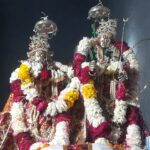
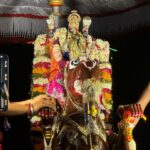
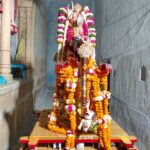
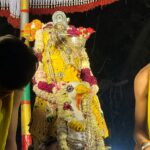
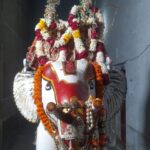
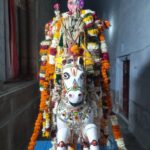
After entering into the temple, inside, in a clockwise direction is located the Kothar (grain house) eastern Dwar, the store room of temple, temple of Ganpatiji, residential rooms for priests, , age old huge cookhouse, pushpa vatika and "Vahan Ghar"(where all the divine mounts are kept, which are taken out during Bhramoutsav).
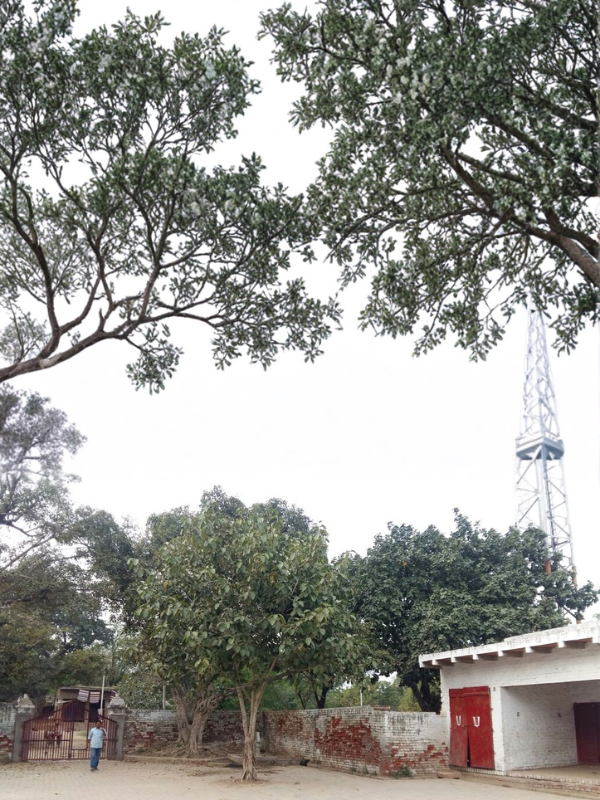
There is a huge temple court outside which has in front an office and residential quarter for manager, a little to one side of it in a detached shed, is kept the God's rath. It is a wooden carriage and is brought out only once a year in the month of Chait during the festival of the Brahmotsav for deity royal procession. The temple court has two gates on either eastern and western side. The extended temple court has a natural pond on the western side along with barren lands.