Jhoola Utsav
The Divine Swing Festival of Radha & Krishna
The Festival of Divine Love
Jhulan Purnima, Jhula Utsav or Hindola is a Hindu swinging festival that is dedicated to Lord Krishan and Goddess Radha. It is popularly celebrated by the Vaishnav sect in the month of Shravana (July-August) which falls under the monsoon season in India when the weather is hot, humid and slightly breezy. This festival is known for its display of decorated swings (hindolas), songs and dance.
Hindola songs are significant for their ability to evoke powerful devotional, emotional (specifically shringara or romantic love), and seasonal sentiments. They are a vibrant blend of musical tradition, poetic expression, and deep spiritual meaning, allowing devotees to express their love for the divine and connect with the rich cultural and seasonal traditions of Hinduism.
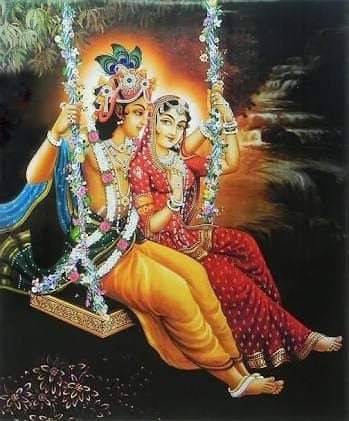
It is a joyful festival which celebrates the amour of divine couple Radha and Krishan along with the romantic fervor of the rainy season in India. This tradition commemorates the divine play (lila) of the divine couple, which is said to have originated with the gopis swinging Krishan in Vrindavan 5,000 years ago.
The Divine Pastime (Lila)
The Transcendental Trick
Once, Radharani was seated on the Jhula and Krishan was pushing the swing very gently. Suddenly Krishan put so much force in pushing the swing that Sri Radharani became fearful and started crying out, "O Krishan, save Me, save Me!" That transcendental trickster Sri Krishan climbed on the swing and She firmly embraced Him, giving Him so much pleasure. Why so much pleasure? Because normally He has to do so many tricks so that Radharani will embrace Him, but in this instance, she embraced Him out of Her own will, without much effort on His part. Therefore, He is so fond of these swing pastimes.
Significance of Jhula Utsav
- Swing (Jhula) is symbolic of Life's journey representing the ups and downs of life. Devotees believe that by symbolically swinging the divine couple, they can navigate life's challenges, achieve inner peace and joy, and strengthen their personal bond with Radha and Krishan.
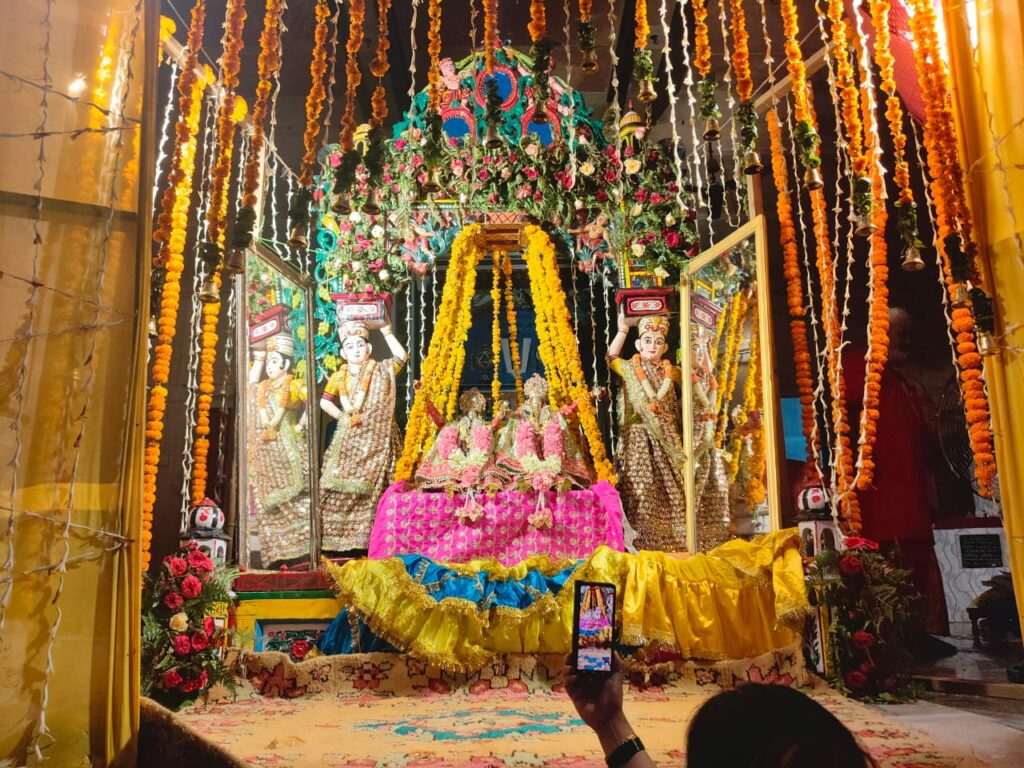
- Apart the festival coincides with the enchanting rainy season, when nature flourishes with blooming flowers and the sound of peacocks. The decorations of the swings often use fresh flowers, leaves, fruits, and vegetables, reflecting the abundance and beauty of nature during this time. The experience of super sensuous joy felt in meditation is sometimes compared to the happiness of swinging.
- The swing also represents the primordial memory of a child's first swing in their mother's lap in Indian Philosophy. In Indian homes, wooden cradles are a form of swing, representing the first experience of love, security, and affection. The swing swings, like a mother's lap, sometimes fast, sometimes slow, each time offering a new lullaby to the soul. If we look deeply, the swing itself becomes a symbol of Indian philosophy. The movement of life is like that of a swing, sometimes up, sometimes down. But just as a swing feels free even when tied to its rope, Indian life also possesses a sense of freedom within bondage. A swing is not just a plank tied to two ropes. A swing is the flight of the mind, a leap of enthusiasm.
Jhula Utsav at Madanpur
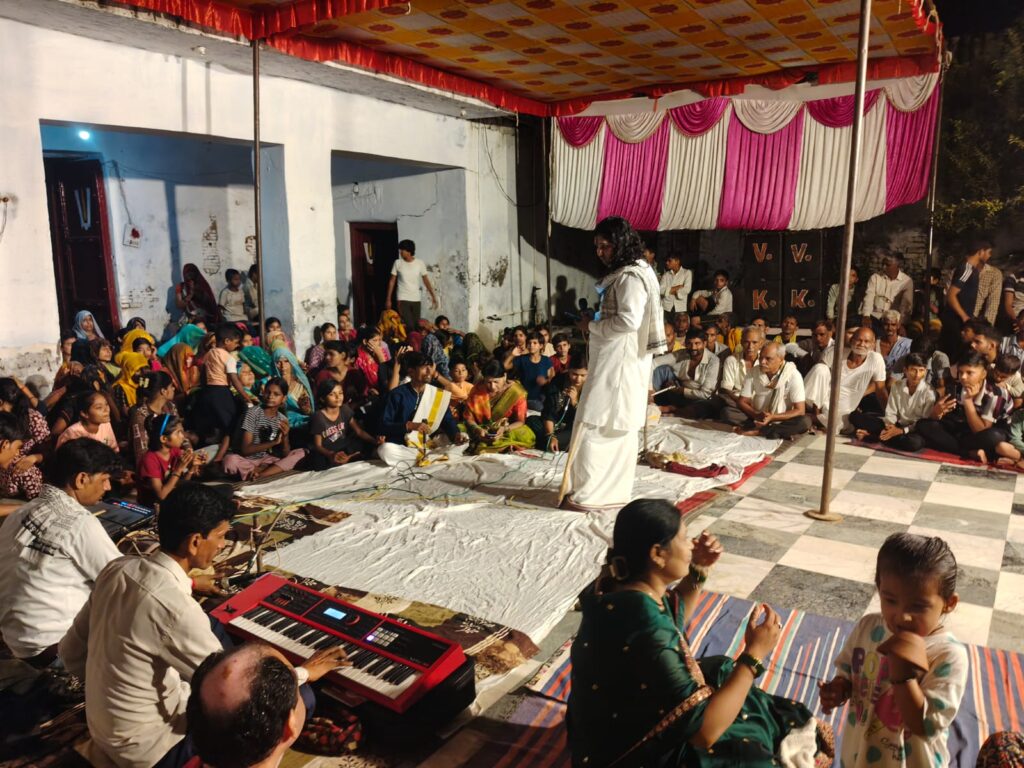
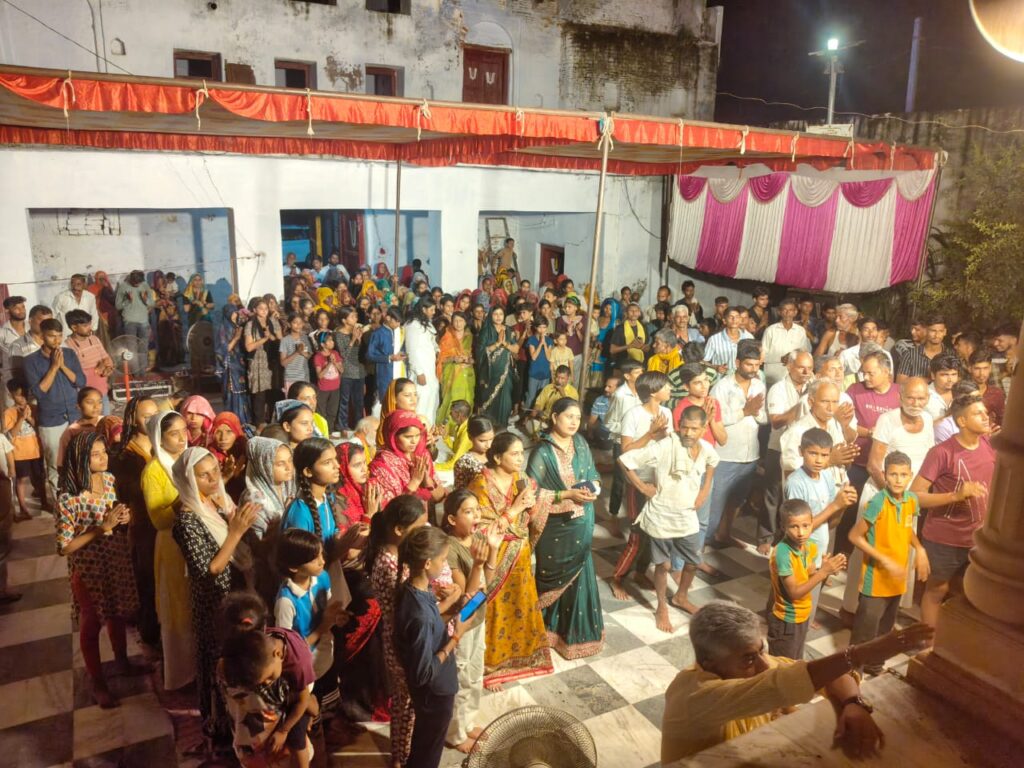
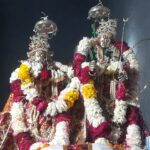
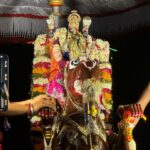
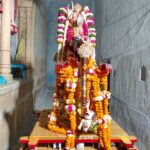
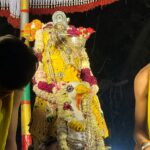
Every year, in the auspicious month of Shravan, the village of Madanpur like Vrindavan become especially enchanting - filled with the sound of peacocks, blooming flowers, and a cool breeze. Rajgopalji Maharaj mandir come alive with colorful decorations, and the hearts of devotees’ overflow with loving anticipation. It is the time of Jhula Utsav - the Swing Festival of Sri Radha and Rajgopalji Maharaj, a celebration of Their divine love and playful pastimes. Rajgopalji, the ever-playful Lord, invites Radharani and the gopis to sit on a festively decorated swing (jhulan), and with His enchanting smile, He engages in Their transcendental pleasure pastimes.
It is a five-day festival at mandir starting from Ekadashi to Poornima of Shravan month commemorating the monsoon season in Madanpur when Ammaji and Rajgopal Maharaj would joyfully swing together in the lush groves of Madanpur, lovingly pushed by their devotees (gopis).
Jhula Utsav Programme Details
(24 August - 28 August 2026)
Sri Thakur Rajgopalji Ji Maharaj Mandir, Madanpur
Seva Opportunities
Come, participate in this divine celebration with your family and friends at Shri Thakur Rajgopalji Maharaj Mandir, Madanpur. Let us together relive the eternal pastimes of Radha and Krishna, and receive Their merciful blessings.