Sri Annakut Utsav
The Mountain of Food & Gratitude
The Tradition of Gratitude
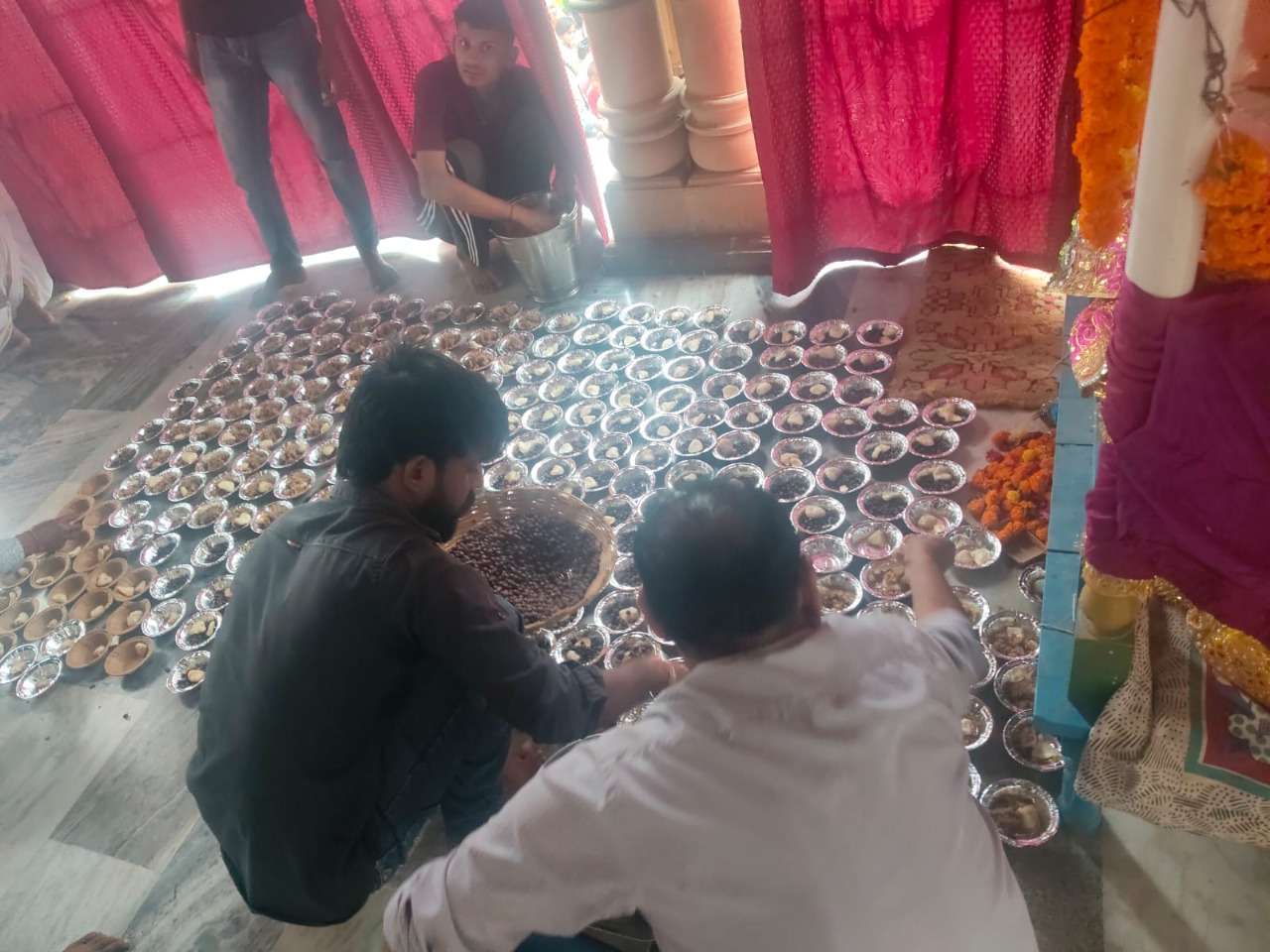
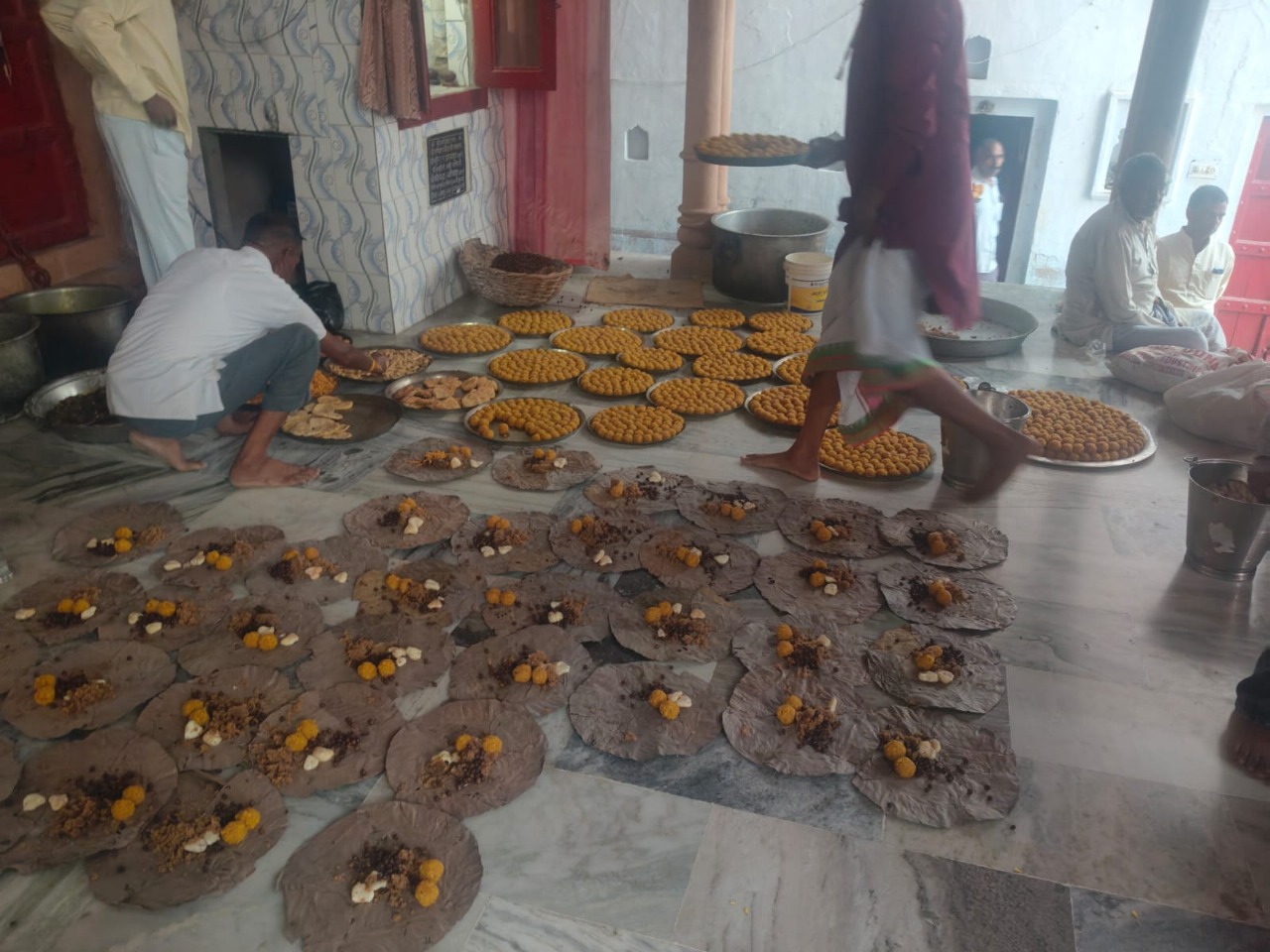
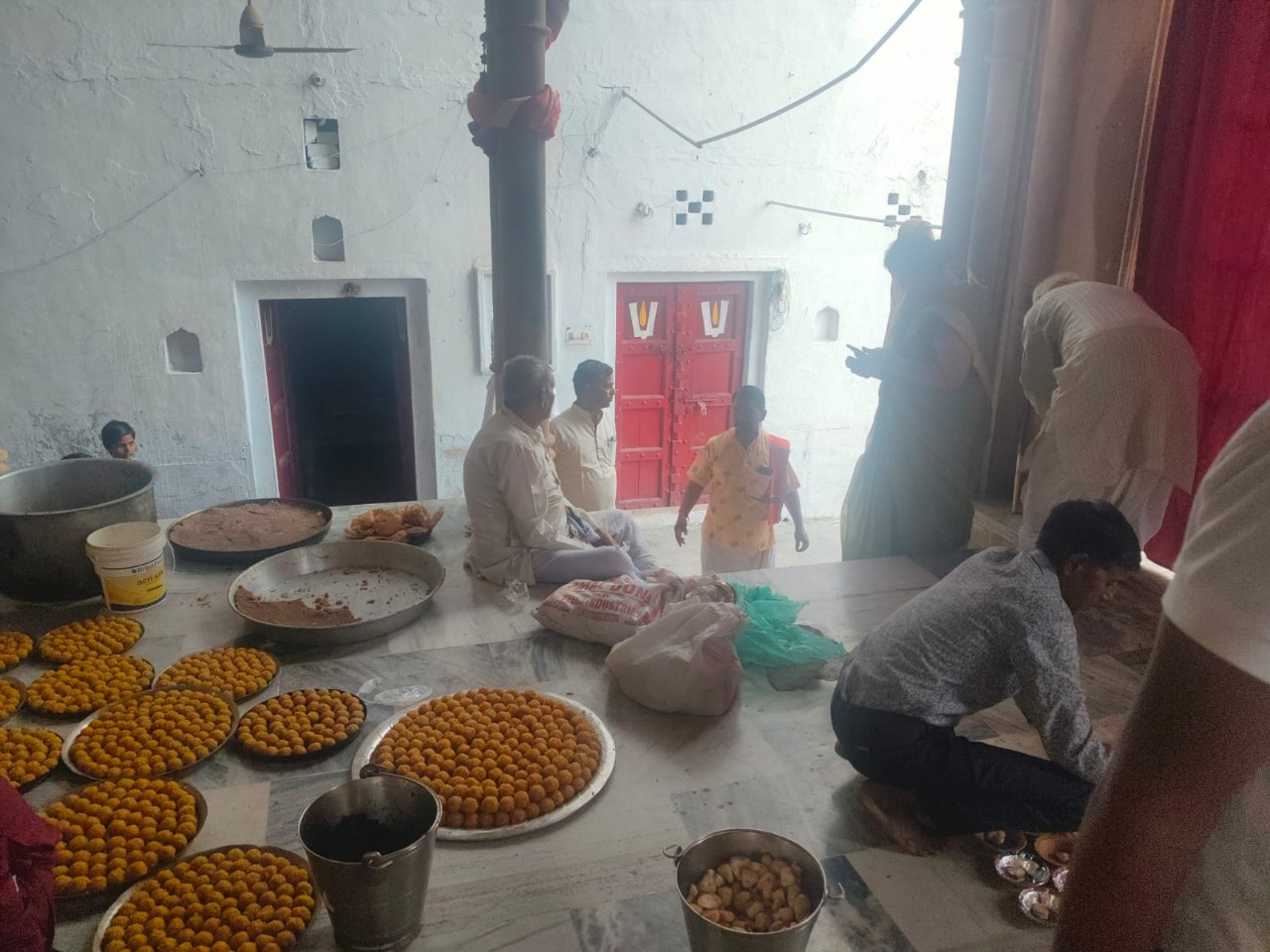
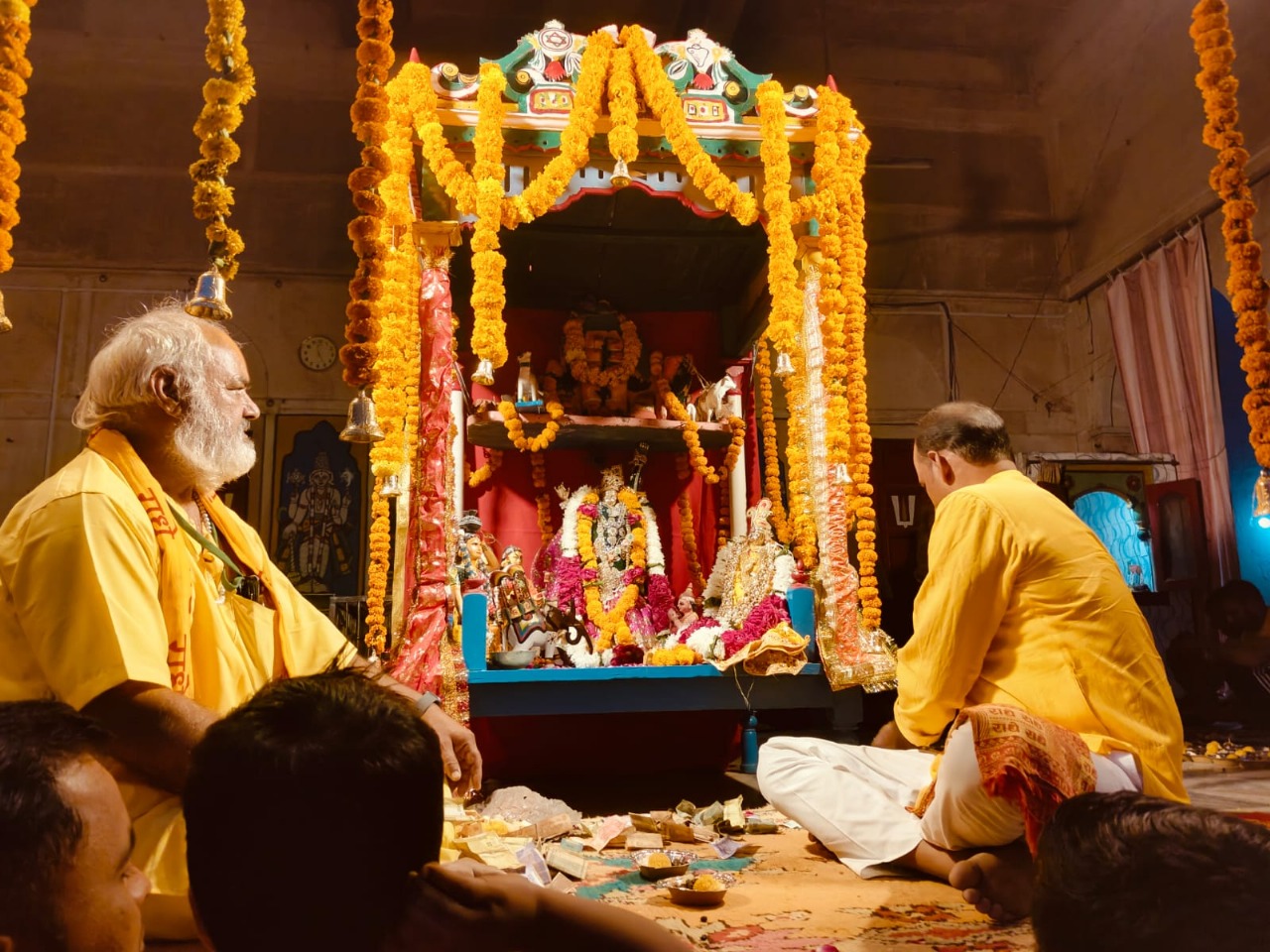
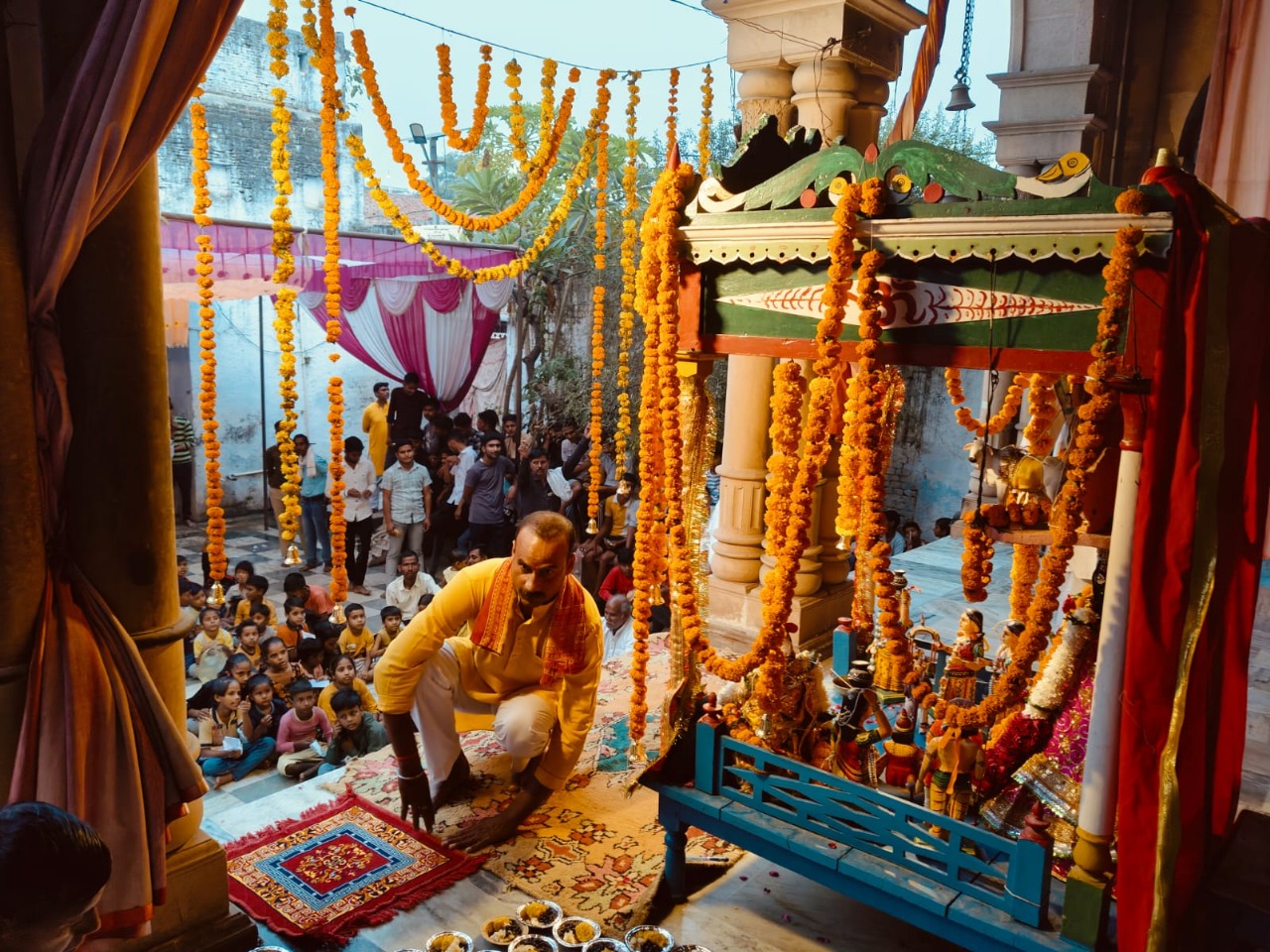
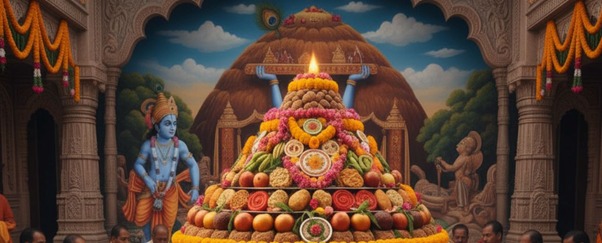
Annakut (meaning, the mountain of food) is a traditional feast prepared during Govardhan Puja, which is celebrated on the first lunar day of the bright fortnight of the Kartika month. On this day, devotees worship an image of Govardhan Hill made out of cow dung, prepare and offer a large variety of vegetarian food to Lord Krishan as a mark of gratitude.
For Vaishnavas, this day commemorates the incident in the Bhagavata Purana when Krishna lifted Govardhan Hill to provide the villagers of Vrindavan shelter from torrential rains. This incident symbolizes God offering protection to devotees who take singular refuge in him. Devotees offer a mountain of food, metaphorically representing the Govardhan Hill, to God as a ritual remembrance and to renew their faith in taking refuge in God.
The Chappan Bhog (56 Bhog) tradition has its roots in the story of Krishna lifting Govardhan Hill. According to tradition, Krishna used to eat eight meals a day. For the seven days He was lifting the mountain, He did not eat even once. To make up for it, villagers cooked a total of 56 dishes (8 meals × 7 days) in His honor, and thus was born the divine 56 Bhog tradition.
Origin and Divine Background
The legend of the Annakut festival is associated with Lord Krishna and Devraj Indra. The people of Vrindavan had a great belief in the powers of Indra Dev and always looked for ways to please him. Everyone thought that keeping Indra Dev happy would bring forth ample rainfall which in turn would help with bountiful harvest and prosperity. Hence, during those days, the villagers together used to prepare and present an Annakut a scrumptious feast, to appease Indra Dev.
Seeing all this, Lord Krishna was really puzzled and questioned the need to worship Indra. Meanwhile, he suggested that instead of worshipping Indra, the villagers should go worshipping Govardhan Hills - a majestic hill that provided fresh, green grass for the sustenance and nourishment of their cows.
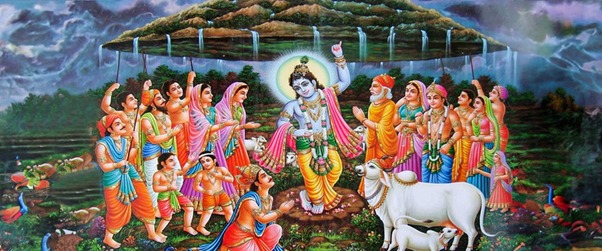
The villagers were highly moved by Krishna’s wisdom and shifted their focus to the Govardhan Hills. This agitated Lord Indra and he poured heavy rain on the village of Vrindavan. There were floods all over damaging anything and everything around. Hereupon, the villagers seek help from Lord Krishna, pleading with him to save them from the calamity. Lord Krishna, with his supernatural powers, lifted the Govardhan Hill, giving refugee to the villagers and their livestock. And it was after this incident, that he got the name of Girdhaari, the one who lifted the Govardhan Hill.
Hence, to show their gratitude towards Lord Krishna, the cows, and the Govardhan Hill, the devotees prepare a variety of food items and organize them in a hill shape, representing the Govardhan Hill – and this is what is known as Annakut.
Cultural and Religious Significance
Govardhan Puja is more than a regional festival. It carries deep symbolic and philosophical messages:
- Exclusive Devotion (Ananya Bhakti): Our devotion must be directed toward the Supreme Lord alone. “The source of all grace is God directly — not the intermediaries.”
-
Dependence on God Alone:
सर्वधर्मान्परित्यज्य मामेकं शरणं व्रज । अहं त्वां सर्वपापेभ्यो मोक्षयिष्यामि मा शुचः ॥ (BG. 18.66)
“Abandon all varieties of religion and simply surrender unto Me. I shall deliver you from all sinful reactions; do not fear.” Surrendering to the Supreme Lord, who is the true protector in every storm of life. - Questioning Rituals with Understanding: Shree Krishna didn’t reject rituals but infused them with wisdom and devotion. The story teaches that true devotion (Bhakti) matters more than formal rituals, highlighting Krishna’s teachings. “Ask not what ritual to perform, but whom to love through that ritual.”
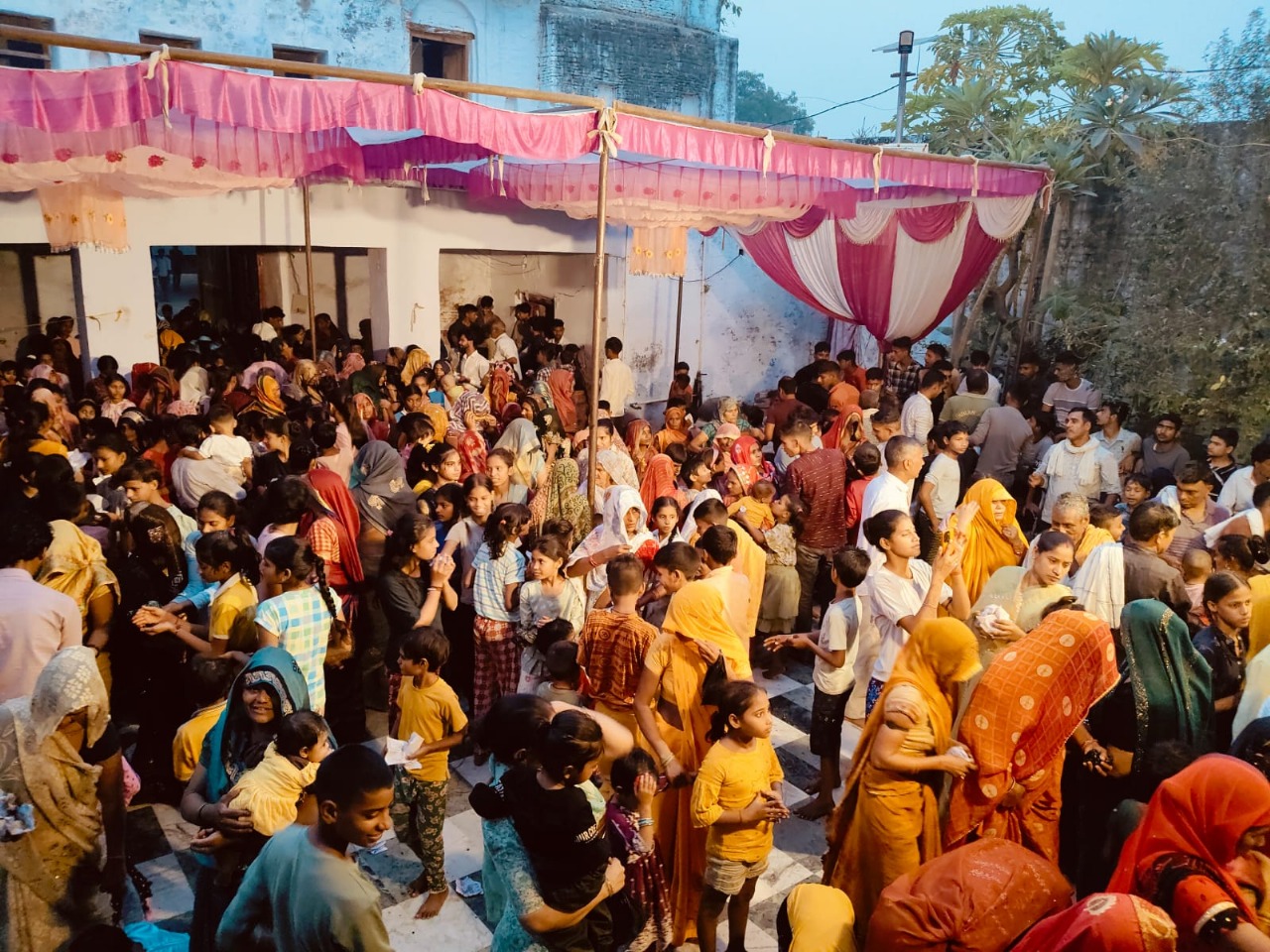
- Community and Sharing: The communal preparation and distribution of food promote unity and compassion.
- Nature as Divine: Emphasizes worshipping natural elements like hills, rain, and animals, underscoring the Hindu belief in environmental harmony. Govardhan Hill is a living reminder that the Earth is sacred. Caring for nature is a form of bhakti.
- Faith Over Fear: When storms arise — physical, emotional, or spiritual — faith becomes the sheltering Govardhan in our lives. Reaffirms the faith that the divine will protect devotees in times of crisis.